
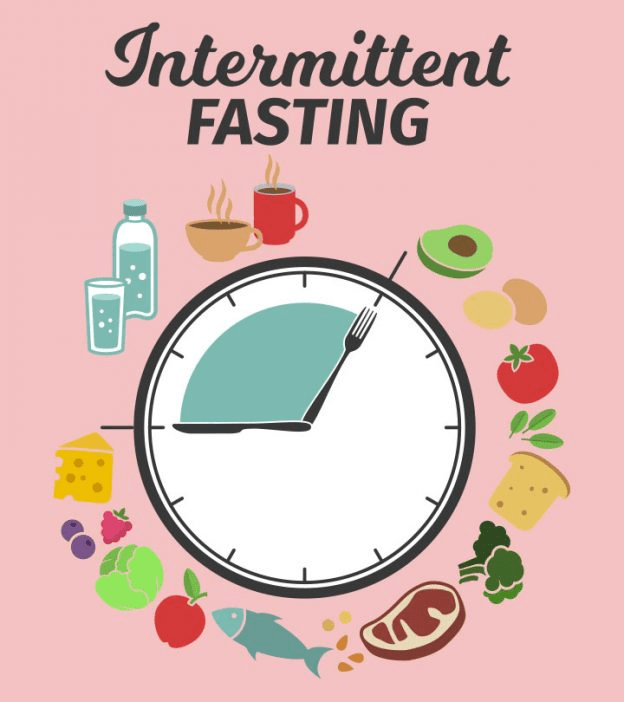
Before I go over various methods of intermittent fasting, let’s remember what this means. In simple words, intermittent fasting is refraining from eating for a set amount of time, and then eating your meals in a time window. When this behavior is repeated, you are said to be intermittent fasting. There are a couple of reasons why people do this- losing weight being one of the most common.
One of the things I love the most about this process is that it offers various options in which it can be performed. As we all know, every person is unique, and every body reacts in a different manner. Therefore, it is very important to choose the method that works best for you, and suits your lifestyle most appropriately.
Let’s begin by listing the intermittent fasting method I have the most experience with:
- 16:8
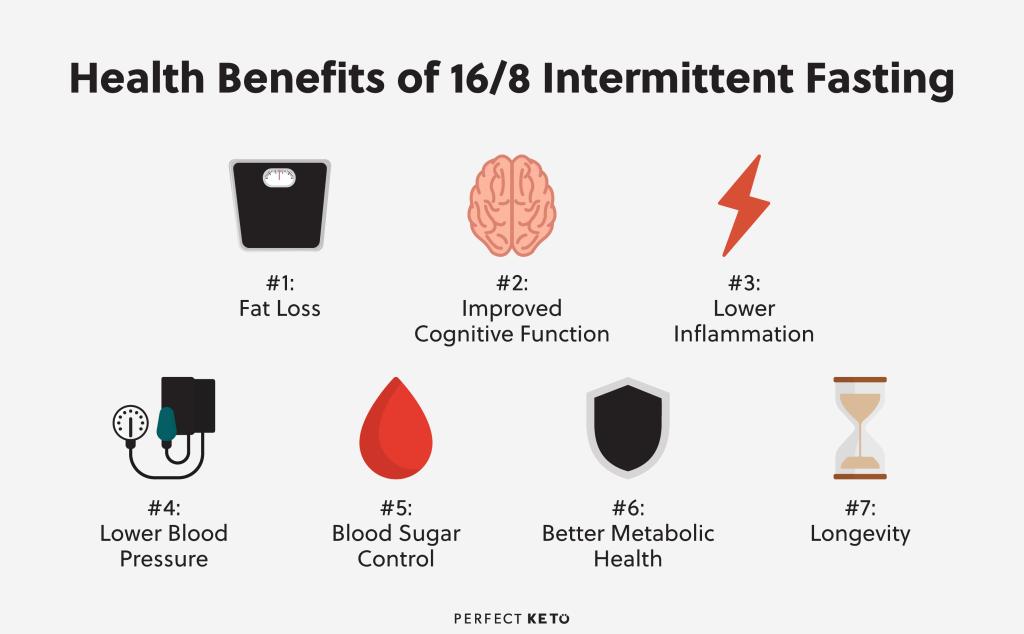
The 16:8 method consists of fasting (abstaining from eating or drinking anything other than water) for 16 consecutive hours, and having an eating window of 8 hours. During the 16 hours of fasting, you are allowed to drink water or non-caloric beverages such as plain coffee of tea. This is one of my favorite methods, and one which I have personally done a couple of times in the past and has always proved effective.
My personal experience:
I prefer to begin my fast at 8:00pm after my least meal of the day, and break the fast the next day at noon (12:00pm).
What a normal eating window looks like for me:
First meal: (Typically at 12:00pm) Coffee with milk, 2-3 scrambled eggs, toast, fruits.
Second meal: (Typically at 3:30pm) A sandwich or rice and protein, Greek yogurt with fruits.
Third meal: (Typically at 7:30) Rice, beans, protein, veggies, dessert.
The longest I’ve done intermittent fasting for is 2 months and I have always managed to lose 10-15 pounds. However, there are people who adopt IF as a permanent lifestyle because of the added health benefits.
2. Alternate Day
This other method of fasting can be done in a couple of ways. Some people fast an entire day, while others allow up to 500 calories. On feeding days, typically people eat as much as they want.
This method of fasting is quite extreme, and therefore might not be suitable for beginners or for those with certain medical conditions. Although, I would recommend for any person with a medical condition to consult their doctor before trying any form of intermittent fasting.
My personal experience:
I haven’t done this exact method but I have fasted for three days in the past. Although it was more than 5 years ago, I remember the experience was awful, from having no energy to feeling faint. Moreover, I also did a juice cleanse for 4 days a year ago. Like the name implies, I was only consuming juice, and I was desperate to eat food even on the first day. I say IF should be an experience you feel comfortable with, so if this is not the case with the alternate day, there are other methods in which this could be done.
3. 5:2
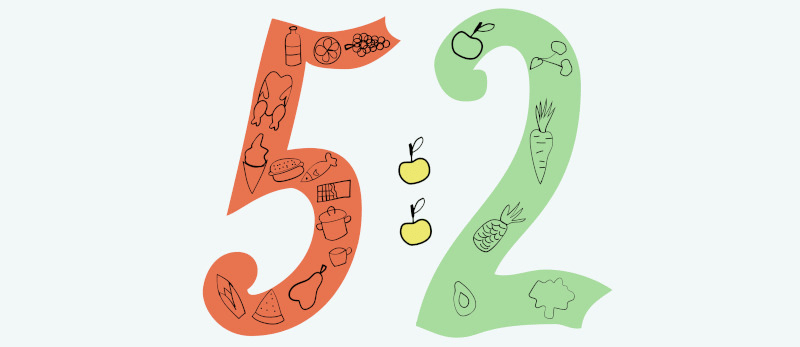
This 5:2 method consists of eating standard amount of relatively salutary food for 5 days and reducing calorie intake on the other 2 days. Generally during the 2 fasting days, calories are reduced to 500-600 a day, and these two days are never consecutive. For instance, if you fast on a Monday, your next fasting day should not be Tuesday. A schedule that a lot of people who practice this method follow is fasting on Mondays and Thursdays and eating normally the other days.
4. 12 Hours
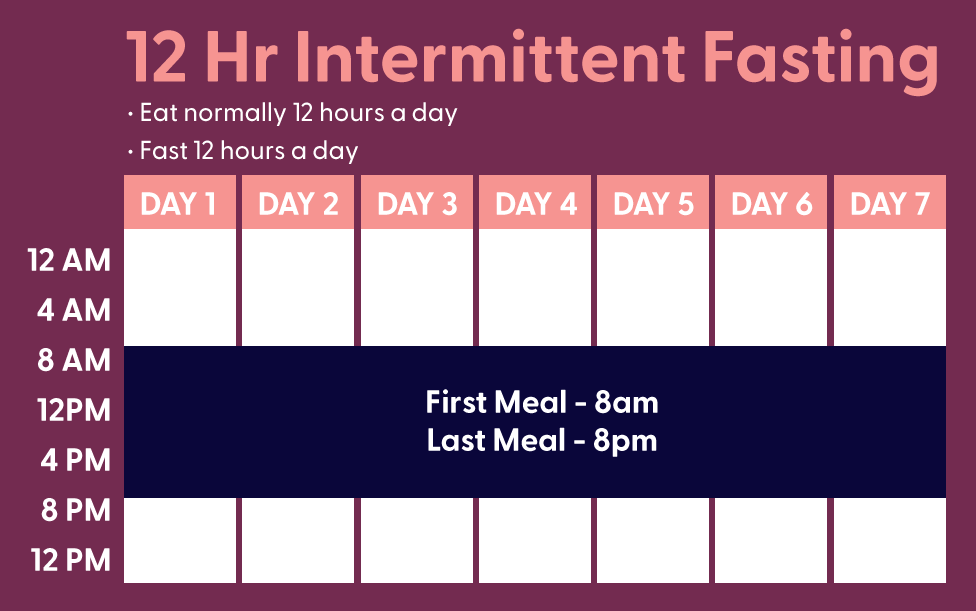
Finally, here comes the easiest option for beginners- the 12 hour fast. This method is a lot more tolerable and simple than the other types of fasting mentioned above. Therefore, it is the one I recommend for beginners. After you adjust, if you feel like you want to see faster results, I suggest moving to the 16:2 method.
This 12 hour fast consists of deciding on a 12 hour fasting window every day, and adhering to it. The best time to start your fast depends on whether you sleep in or not in the mornings. If you are an early bird, the best time to begin the 12 hour fast is 7:00pm because this means you are ready to have breakfast by 7:00 am the next morning and the hours fasting were barely felt. Just like if you tend to wake up late, then I suggest starting the fast at 12:00am so that you can resume eating at 12 noon the next day. This, and the 16:2 method are completely up to your preferences.
Hope this was helpful, and feel free to share tips, ideas, and comments on your experiences with these methods 🙂



 Healthy Habits